
Overview
The progress made in Lifting Literacy in 2025 reflects an extraordinary collective effort. Across Tasmania, teachers, professional support staff, early years educators, adult literacy tutors and library staff have worked with commitment to strengthen literacy for learners of all ages. Their dedication is at the heart of every gain described in this report.
In 2024, we laid strong foundations. We invested in building literacy knowledge and skills across our workforce and developed a shared understanding of what structured, explicit and evidence-based literacy learning looks like, from the early years through to adulthood. This work began to make a real difference, with positive changes seen in policy, planning and everyday classroom practice across the Department for Education, Children and Young People (DECYP).
In 2025, we built momentum. Teachers and educators were supported with better resources, stronger guidance and more opportunities to learn and grow. We also strengthened the tools used to understand student progress and school improvement, helping educators make informed decisions that support every learner.
Importantly, this work has not happened in isolation. We continued to work side by side with the non-government school sector, University of Tasmania, Child Health and Parenting Service and the Early Education and Care sector. Together, we are lifting literacy across the whole community creating stronger pathways for children, young people and adults, now and into the future.
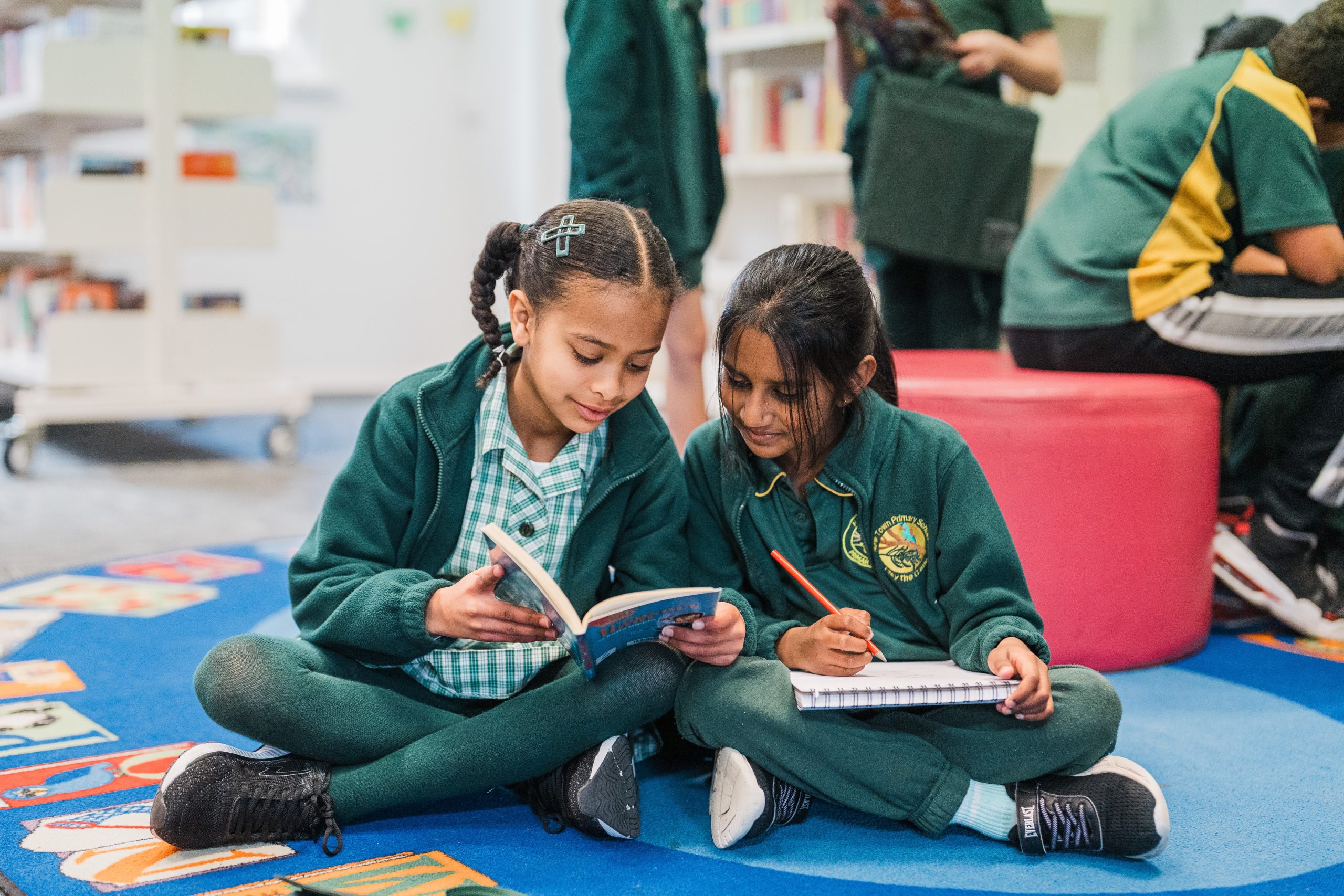
“Since work began in 2024, Tasmania has made significant strides in improving literacy outcomes through the Lifting Literacy reforms, which are grounded in evidence-based approaches.”
Premier Jeremy Rockliff
School Years
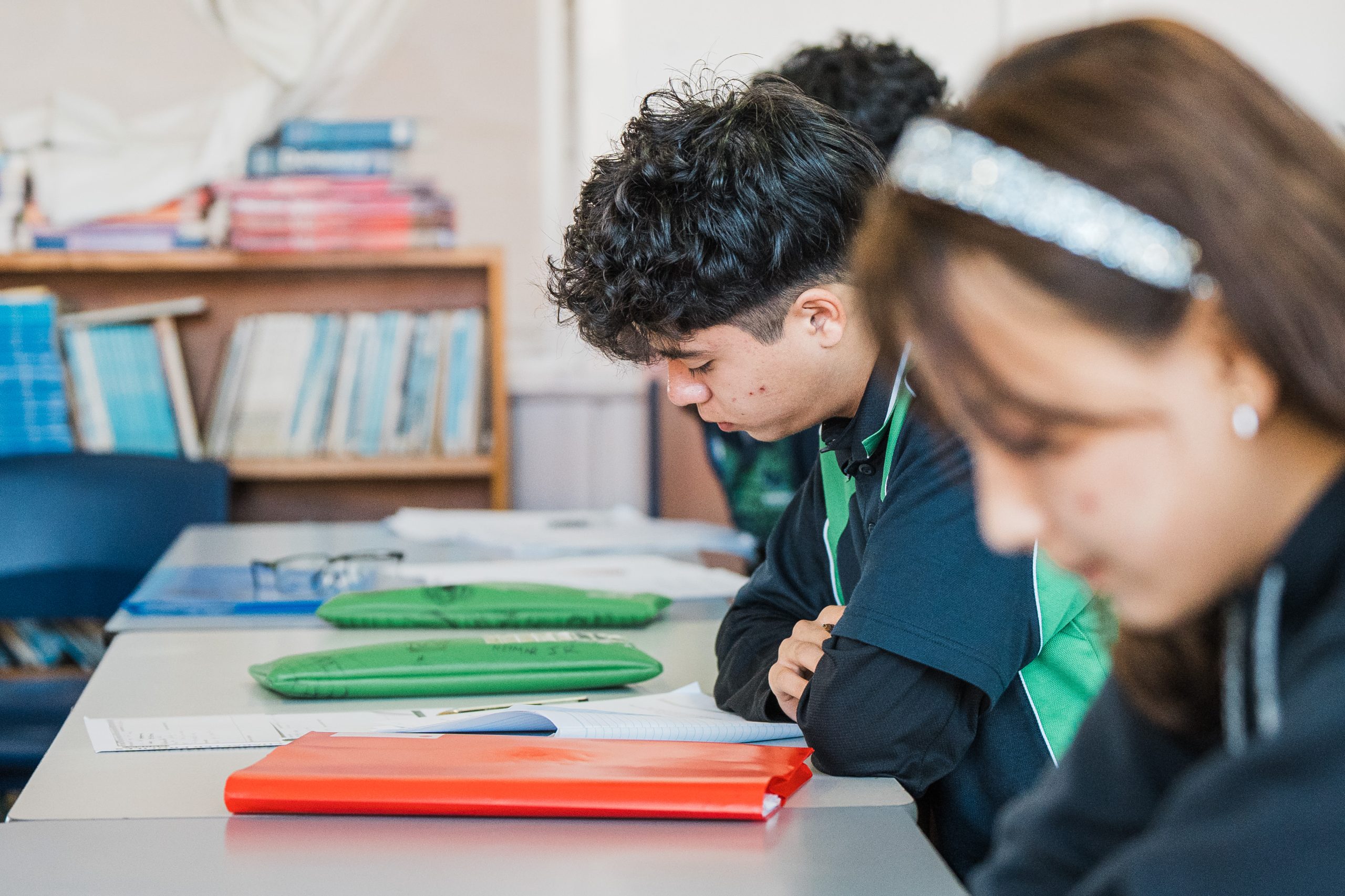
- DECYP continued to work closely with literacy experts to make sure our approach to teaching reading is based on evidence and research.
- DECYP staff continued to receive information, guidance, resources and support to help them feel confident in their planning, teaching and assessment of literacy.
- A team of DECYP literacy specialists provided expert advice in response to about 80 school enquiries each month.
- Schools were provided with extra funding for relief teachers, so that classroom teachers could attend literacy professional learning and build their skills to bring back to the classroom.
- 9,300 copies of the Tasmanian written and illustrated book, Here on Sea Country were provided to Year 3 students. These books supported the teaching of a unit of work for English, created by Ochre Education and the DECYP Aboriginal Education team.
Tasmania is the first state in Australia to require a system‑wide structured approach to teaching literacy.
- At least one staff member from every DECYP School has attended literacy professional learning to build their skills in areas including word recognition, fluency and comprehension.
- All Prep to Year 2 classes received a full set of decodable texts to help with their phonics lessons in class.
- 4,254 DECYP staff completed the DECYP online literacy training modules.
- Literacy experts delivered 121 professional learning sessions in 2025. Principals, instructional specialists, professional support staff, teachers, teacher assistants and early years educators attended the sessions.
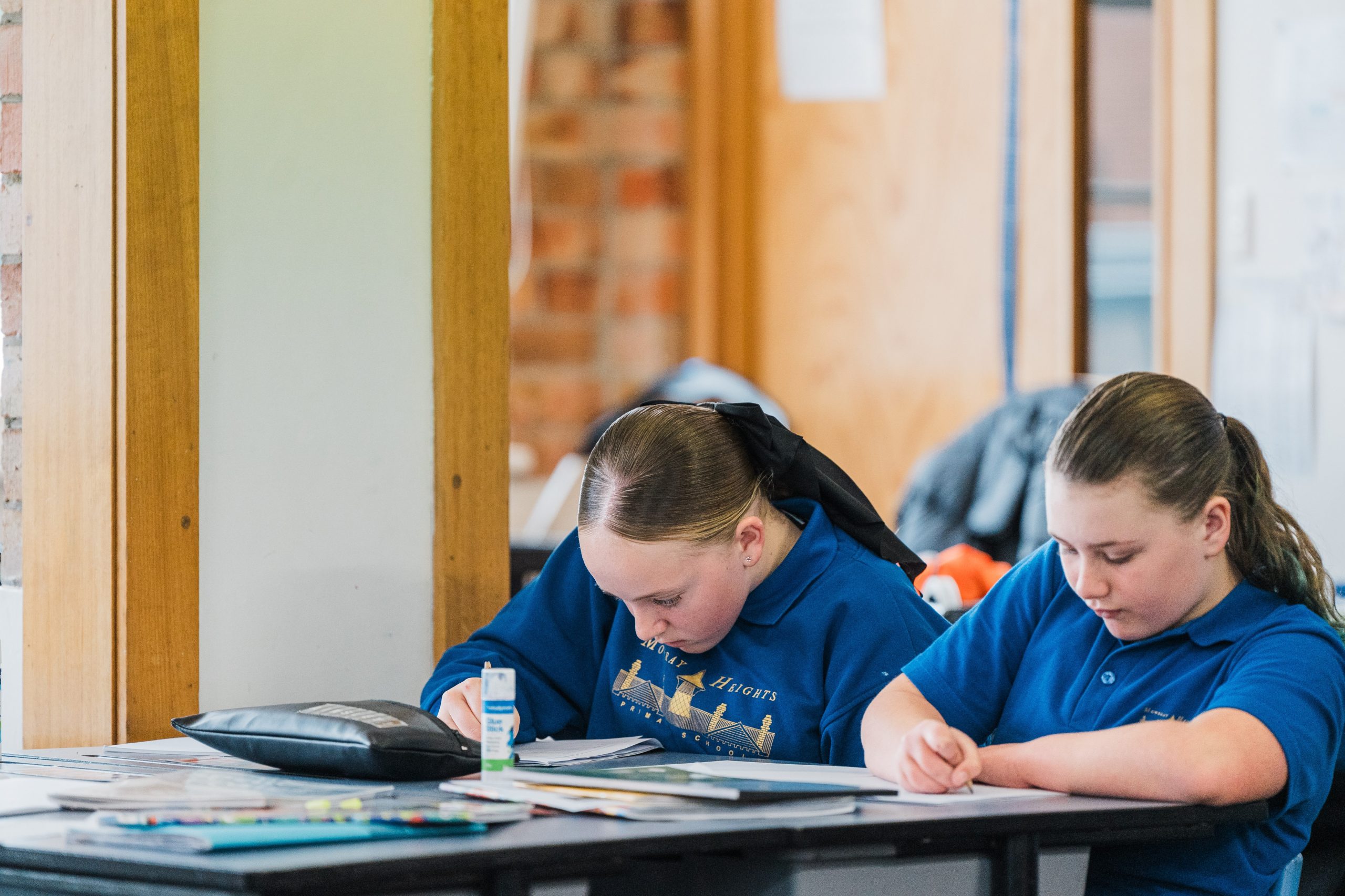
“Every school is at a different stage of implementation, but we are already seeing early signs of student literacy improving.”
Ginna Webster, Secretary Department for Education, Children and Young People
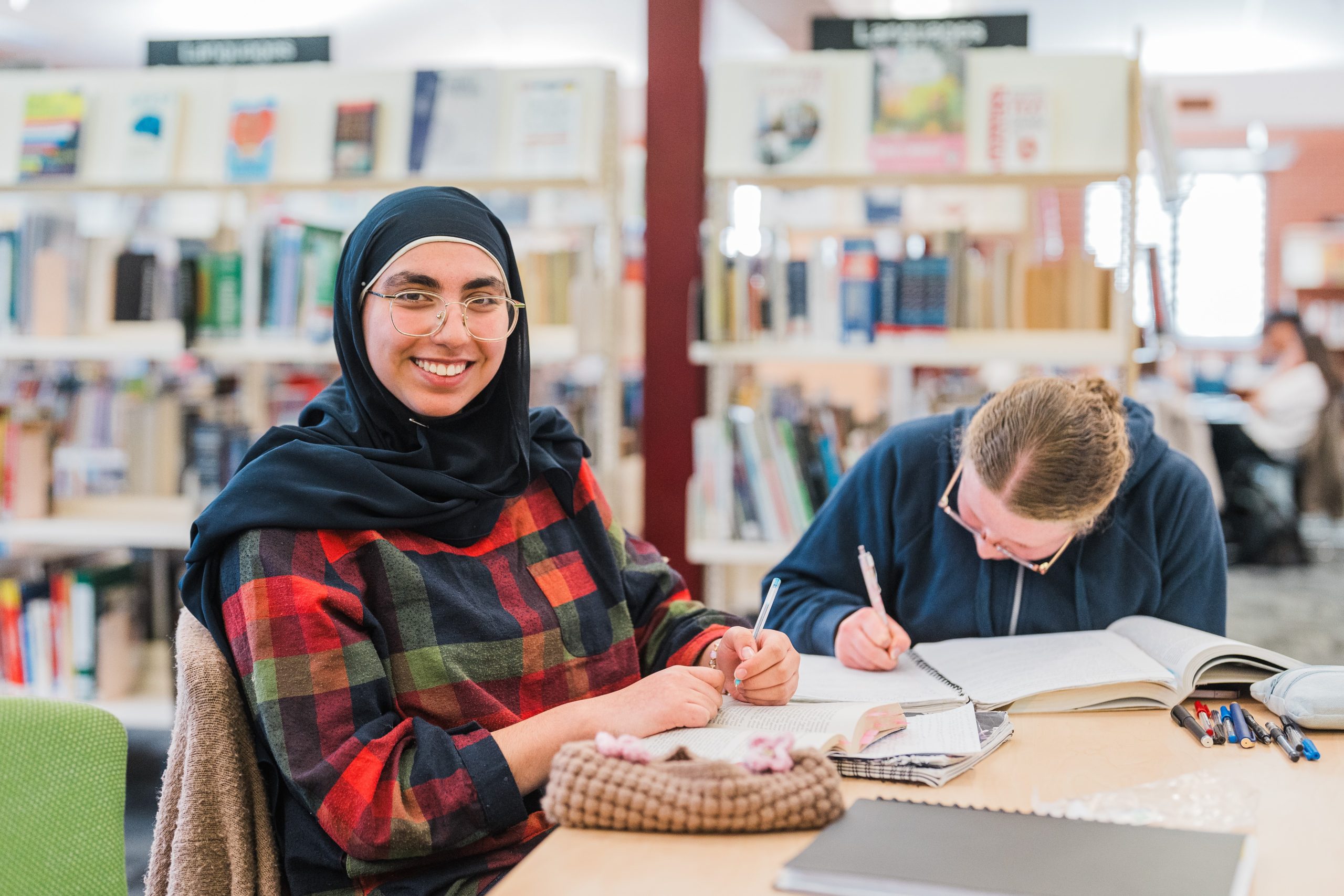
- 95.4% of our schools told us they were using the UFLI Foundations Phonics program in Prep-Year 2 in 2025.
- 96.7% of schools have also told us they were using the Word Origins spelling and morphology program with their Year 3-6 students in 2025.
- 90% of students from Prep to Year 8 were screened using Dynamic Indicator of Basic Early Literacy Skills (DIBELS) in 2025. This quick screen gives teachers information about students progress and areas of risk in literacy development.
- 92.4% of our Year 1 students participated in the Year 1 Phonics Check. 56.6% of these students either met or exceeded the expected phonics achievement levels for their age. This is 6.7 percentage point increase from 2023.
“We’ve made significant progress in lifting literacy rates through our structured literacy policy, with reports confirming that student outcomes are improving.”
Jo Palmer – Minister for Education

- The School Library Team provided support to over 400 school enquiries in 2025. The team helped school library staff to improve their library collections and increase the number of students, teachers and classes who use the library.
- Students and staff borrowed over 37,000 eBooks and eAudiobooks with the Sora app.
- A12-month subscription to the digital storytelling platform – StoryBox Library was provided to all Tasmanian schools with Kindergarten to Year 6 classes.
- The three school sectors, DECYP, Catholic Education Tasmania and Independent Schools Tasmania, continued working together, sharing resources, research and ideas so that all Tasmanian students experience high quality, evidence-based literacy learning.
Early Years
- 3,574 Kindergarten students completed the Grammar and Phonology Screen (GAPS). This is an important check that helps identify children who may be at risk of specific reading difficulties before they reach Prep.
- 102 Schools trialed the Heggerty Phonological Awareness program in Kindergarten. Based on the success of the trial, the program is being supported for delivery in all Kindergarten classes in 2026.
- Child Heath and Parenting Services (CHaPS) implemented a new 18-month Literacy Check and all families who took part in the check received one of 12,000 copies of the DECYP Nursery Rhyme book.
- 861 Early Years staff have completed the 10 modules of online training that support consistent early years literacy learning across all contexts in Tasmania.
“This is a whole-of-community effort. We are celebrating our progress, and recommitting to ensure every Tasmanian – regardless of age, background or postcode – has the literacy skills to succeed.”
Premier Jeremy Rockliff
Adults
- Libraries Tasmania’s Adult Literacy Service supported 380 Tasmanian adults with their literacy learning through in person and online tutoring.
- TasTAFE and Libraries Tasmania published the Adult Literacy and Numeracy Tutor Manual in October 2025. The resource is freely available on the Libraries Tasmania website to make sure all adult educators nationally and internationally have access to this high-quality resource.
- The final year of the current 26Ten Strategy was successfully implemented and a new Adult Literacy Strategy will be launched in 2026.
Community Literacy
- Libraries Tasmania Collections Team purchased 200 new items in community languages including Punjabi, Chinese (simplified), Spanish and Nepali to support reading in Tasmanian Culturally and Linguistically Diverse (CALD) communities
- 601 English Conversation Program sessions were delivered in public libraries in 2025.
- 6,923 bilingual board and picture books were borrowed from public libraries.
- 2,300 new books have been purchased to improve the quality of the Risdon Prison Library collection.

“With unwavering support for the implementation and monitoring of the Lifting Literacy initiative, there is every reason to expect sustained growth for Tasmania’s children and young people in literacy.”
Vicki Baylis – Independent Review of Education in Tasmania