
Our Commitment
Our organisational values:
- reflect what we stand for
- guide our decision-making
- underpin all aspects of our work
- shape our culture
- inform how we support children and young people to realise their own empowerment by building confidence in themselves and in us as an organisation.
Enacting DECYP’s values of connection, courage, growth, respect and responsibility, we commit to being who children need us to be. This means strengthening how we understand and support children’s right to participate and share power in ways that help them feel valued, safe and heard.
As adults working with or on behalf of children and young people, we need to put their rights at the centre of all the work we do. We need to ensure that diverse voices are heard equally.
These principles reflect our values by keeping children and young people at the centre of our work and using evidence to guide our actions.
Accountable
We act with courage to take responsibility, reflect, grow and listen. We provide feedback and follow through on actions.
Our Commitment
We are accountable to children and young people. We create the conditions for children and young people to feel safe to speak.
We do this by:
- being real
- acknowledging and learning from our mistakes
- actively noticing and addressing power differences between adults and children and young people.
- doing what we say we are going to do.
In Practice This Looks Like:
- Be clear about influence. Be clear from the start about what children and young people can and cannot influence.
- Share power fairly. Consider how adult influence can shape participation and create opportunities for shared decision making.
- Build on previous participation. Recognise and use existing views, feedback and participation work wherever possible.
- Explain decisions. Where suggestions cannot be acted upon, provide honest reasons why.
- Follow through on commitments. Do what you say you will do and communicate early if plans change.
- Close the loop by showing impact. Provide feedback on outcomes and explain how the views of children and young people have influenced change to services, policies or decisions.
- Seek feedback on participation. Ask children and young people how the process worked for them and what could be improved.
- Reflect and improve. Acknowledge mistakes, learn from feedback and use participation outcomes to strengthen future practice.
- Make participation ongoing. Treat participation as an ongoing process of listening, reflection and action.
- Keep records and follow through. Write down all feedback, decisions and outcomes. Children and young people can then have a record of how their input has influenced decisions.
What This Means for Children and Young People
- I feel heard when I share my views, I understand what I can influence and know what happens next.
- I develop trust in adults because they do what they say they will do.
- I am kept informed, and receive updates and feedback about decisions.
- I understand how and why decisions are made.
- I can see how my involvement made a difference, because things improve.
- I feel respected when adults are honest when things don’t go as planned.
- I feel like my feedback matters, know where I stand and I am taken seriously.
Valued and respected
Every child and young person is heard, valued, and respected as someone whose views, experience and ideas contribute to decisions.
Our Commitment
- We value and respect children and young people as experts in their own lives.
- We listen to their views, take them seriously, and support them to contribute to decisions in ways that work for them.
In Practice This Looks Like
- Treat children and young people as partners. Recognise them as experts in their own experience by supporting their participation and valuing every contribution.
- Plan and decide together. Involve children and young people early, share power where possible and provide a genuine role in shaping decisions that affect them.
- Listen without judgement. Give your full attention and remain open to different views.
- Value lived experience. Acknowledge the unique knowledge children and young people bring to the conversation.
- Welcome challenge and disagreement. Create space for views that differ from those of adults.
- Recognise contributions. Recognise and value the time, effort, expertise and ideas that people share. Acknowledge their contribution in meaningful ways.
- Build respectful relationships. Interact with honesty, kindness and mutual respect.
- Make time to listen. Ensure children and young people are not rushed, dismissed or overlooked.
What This Means for Children and Young People
- I am treated as someone whose views and experiences are valued. Adults believe I have something important to contribute to decisions.
- I feel that my experiences and opinions matter, and I feel supported to contribute.
- I feel understood, respected and not judged.
- I feel recognised and appreciated for my contribution.
- I feel safe to disagree and still be treated with respect.
- I know that my participation matters and that my voice is important.
Open communication
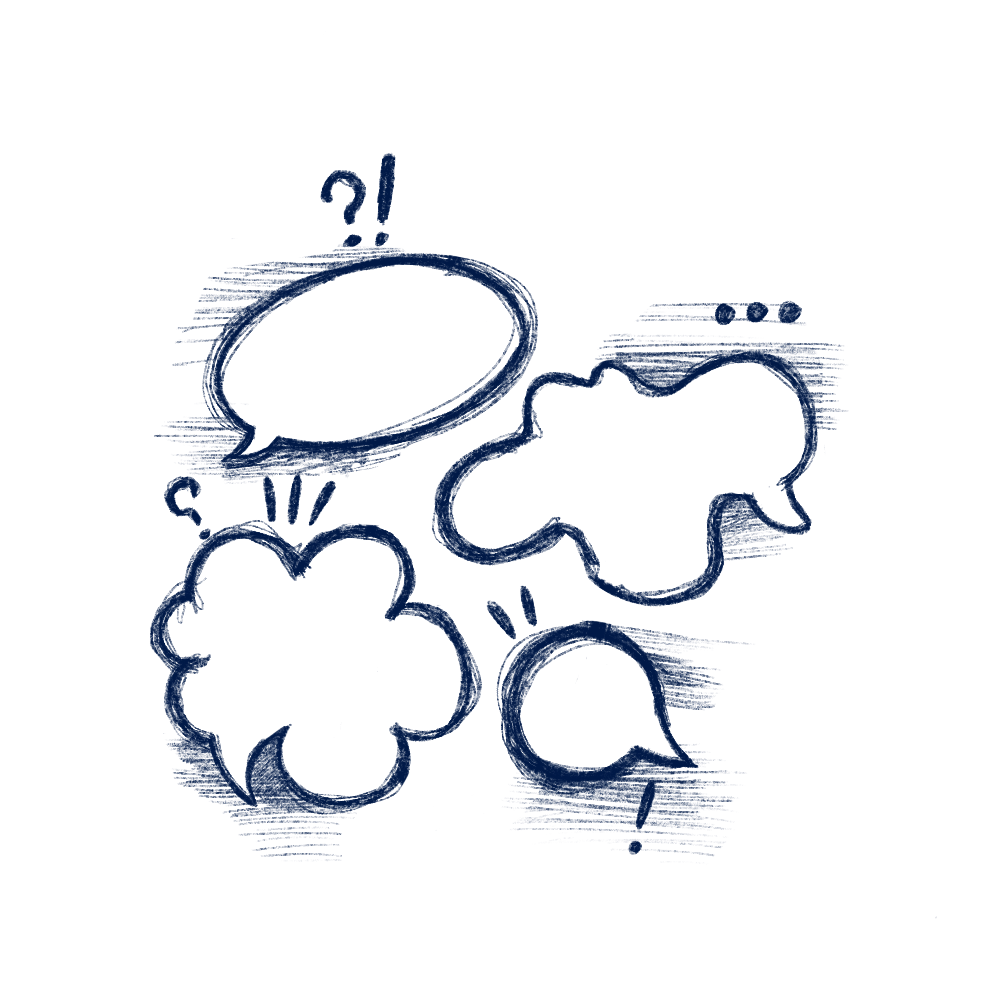
We use open, honest communication, keep people informed and avoid assumptions.
Our Commitment
- We provide clear information about purpose, process and outcomes.
- We do not make assumptions and check in.
- We commit to keeping children and young people informed throughout their participation.
In Practice This Looks Like:
- Communicate clearly and often. Explain purpose, process and expectations.
- Use clear, age-appropriate language that is understood. Avoid unfamiliar words, jargon, abbreviations and explain information in accessible ways.
- Be honest about possibilities and limits. Explain what can change, what cannot and explain why.
- Check understanding regularly. Don’t assume children and young people know, want or think the same things.Stay curious.
- Provide regular updates. Keep children and young people informed throughout the process even if it’s still “watch and wait”.
- Make space for questions. Create opportunities for children and young people to seek clarification and challenge assumptions.
- Make communication a two-way conversation. Listen to children and young people with curiosity and respect, encourage questions, and ensure they know what to expect and what happens next.
What This Means for Children and Young People
- I am treated as someone whose views and experiences are valuable. Adults believe I have something important to contribute to decisions.
- I feel that my experiences and opinions matter, and I feel supported to contribute.
- I feel like I can ask questions and get honest answers and am comfortable asking for clarification.
- Adults communicate openly, even when conversations are difficult.
- I feel like I am part of the process and outcome. I am involved in decisions, my questions are answered and I know my participation matters.
- I feel my views are understood. Adults listen with interest and take time to understand what I mean.
Inclusive
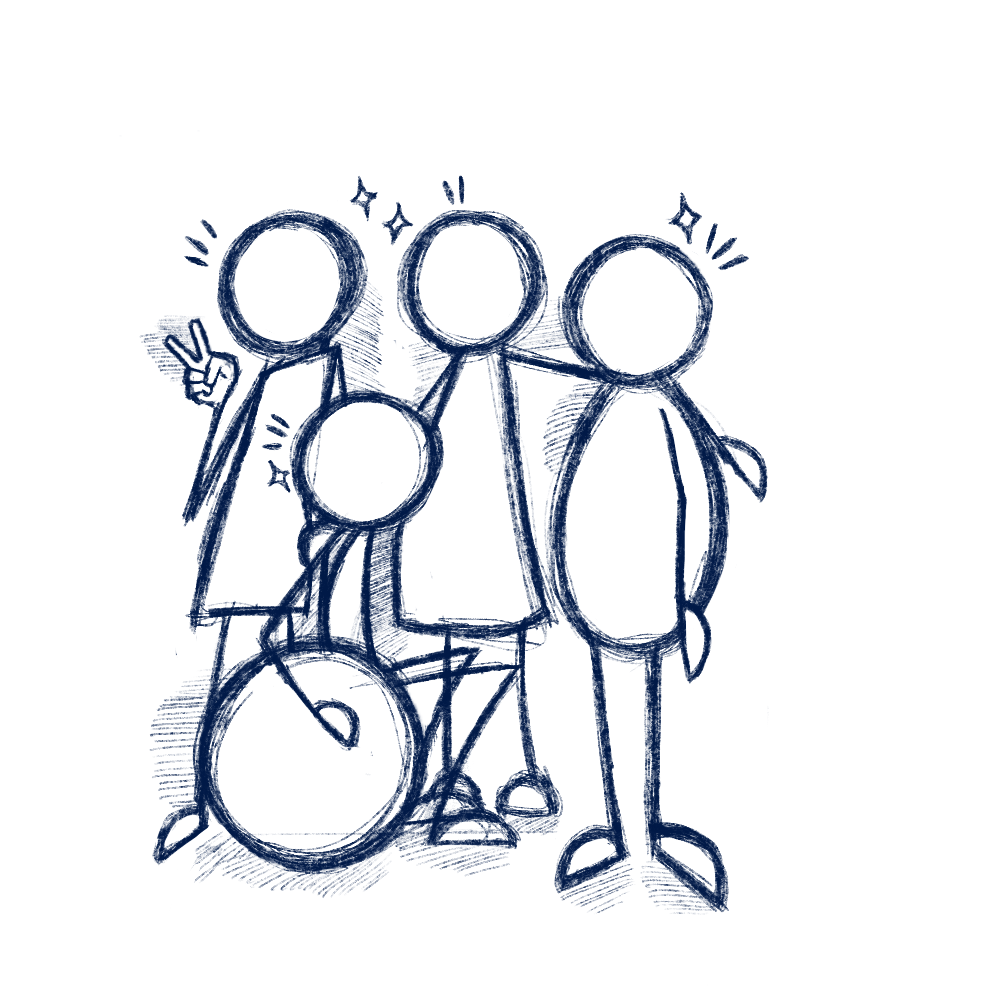
We include, we listen, we value every voice.
Our Commitment
- We create opportunities for all children and young people to participate and be heard.
- We actively include diverse and less heard voices, remove barriers to participation and supportchildren and young people to take part in ways that work for them.
In Practice This Looks Like:
- Build inclusion from the start. Plan for diverse voices and needs from the outset, rather than making adjustments later.
- Seek out diverse voices. Actively engage the voices of children and young people who are often less heard or excluded.
- Remove barriers to participation. Create a safe space and address possible cultural, communication and environmental barriers.
- Support different ways to participate. Offer a range of options so children and young people can participate in ways that suit them including choosing not to participate in certain activities.
- Respect identity, culture and lived experience. Create environments where diversity is recognised, valued and celebrated.
- Adapt approaches to individual needs. Be flexible and responsive to what helps each child or young person participate.
- Create a sense of belonging. Make sure all children and young people feel welcomed, included and able to participate as themselves.
What This Means for Children and Young People
- I am welcome and included. I am invited in and not left out or overlooked.
- I feel safe to be myself and not judged.
- People like me are represented and heard. I am respected and valued the same as others.
- My identity, culture and experiences are respected, and I feel like I belong.
- Barriers do not stop me from taking part, I am supported to fully take part in ways that work for me.
- I feel like I belong, and people have made an effort for me to be included.
- Adults adjust to remove barriers.
Child and youth rights

As duty bearers, we uphold rights by including, listening and acting on what we hear.
- We recognise children and young people as rights holders and uphold all their rights.
- We provide the information, support and opportunities they need to;
- form views
- express their views
- make informed choices and
- influence decisions that affect them.
In Practice This Looks Like:
- Recognise children and young people as rights holders. Participation is a right, not an optional extra. Ensure that children and young people know their rights, and are empowered to shape decisions that affect their lives.
- Adults are responsible for making rights real. As duty bearers, take responsibility for making sure children and young people’s rights are known, protected, supported and put into practice.
- Support informed choice. Provide information children and young people need to make decisions about their involvement.
- Children and young people are heard and empowered to shape their future. Create opportunities for children and young people to have a say, make choices and shape outcomes.
- Share power and be flexible in how you engage children and young people. Create genuine opportunities for children to influence decisions affecting them.
- Uphold children’s rights consistently in practice. Make sure that policies, systems and processes respect and uphold their rights.
- Advocate for children’s voices. Challenge barriers that limit children’s participation and influence.
- Make it safe to exercise rights. Ensure children and young people can speak, disagree, seek support and raise concerns without fear of being treated differently.
What This Means for Children and Young People
- I feel respected, trusted and taken seriously. Adults recognise my ideas and are upholding my rights.
- I know my rights. I feel safe and supported to exercise my rights and know when they are not being upheld.
- I feel informed about what is happening, why I am involved and how I can choose to take part.
- I feel like I can disagree or share a different view without being judged or treated unfairly.
- I feel my voice helps shape what happens, and I can influence decisions that affect my life.
- I feel that my rights are respected, including my right to be heard, and that adults trust me and take my ideas seriously.
- I have opportunities to learn, grow and build my skills through participation activities.
Ethical and safe

We create and maintain safe spaces for everyone to participate.
Our Commitment
- We create and maintain environments where children and young people feel safe, respected and supported.
- We do this by
- ensuring safety across physical, emotional, cultural and relational spaces
- following clear ethical standards and boundaries
- protecting wellbeing and preventing harm
- responding quickly and appropriately to concerns
In Practice This Looks Like:
- Create and maintain safe spaces. Ensure physical, emotional, cultural and relational safety.
- Support informed consent. Explain participation clearly and remove pressure by making it easy to opt out.
- Maintain clear boundaries and set expectations. Explain roles, responsibilities, confidentiality and professional limits. Explain what taking part looks like in simple, honest language.
- Protect privacy and confidentiality. Handle personal information respectfully, safely and appropriately. Be honest when in breach.
- Support wellbeing. Check in regularly, stay connected, and respond when someone may need support.
- Provide access to support. Ensure trusted adults, advocacy and support options are shared and available.
- Use skilled and supported staff. Ensure staff understand ethical practice, safeguarding responsibilities and how to respond to concerns.
- Respond to concerns quickly. Act quickly and appropriately when risks or concerns arise.
- Work in ways that recognise the impact of trauma (trauma informed practice). Support participation in a fair, ethical and professional way.
- Assess and manage risks appropriately. Take concerns seriously, act promptly and make sure people know how to seek help or make a complaint.
What This Means for Children and Young People
- I feel safe and supported by the adults around me, and I know they care about what happens to me.
- I understand my choices, I have the information I need and can decide if and how I take part.
- I understand the boundaries and expectations. I know what is appropriate, what is expected of everyone and what will happen if there are concerns.
- I know who I can talk to if I need help, and I feel comfortable asking for support.
- I know that my wellbeing is important to adults, and they check in with me and listen to how I am feeling.
- Adults notice when something is not right, they take my concerns seriously and respond in a way that helps me feel safe.
- My privacy is respected, and my personal information is handled respectfully. Adults are honest if my privacy hasn’t been upheld.
- I can share my views and take part without feeling unsafe or judged.